
Plate Shearing Services in Chicago
Fast, Accurate Metal Cutting for Fabrication, Repairs, and Production Parts
When a project requires straight, repeatable cuts in sheet metal or plate, plate shearing can be one of the fastest and most cost-effective ways to prepare the material. The process is well suited for rectangular blanks, strips, panels, repair plates, and other components that need clean dimensions without exposing the metal to the heat produced by thermal cutting.
Suburban Welding and Steel provides professional plate shearing services in Chicago for manufacturers, contractors, repair facilities, maintenance departments, equipment owners, and businesses that need metal cut and prepared for the next stage of production. We can shear material for customer assembly, use the pieces in a larger fabrication project, or combine shearing with forming, machining, drilling, punching, and welding.
Our Franklin Park facility also carries a broad inventory of steel products, along with aluminum and stainless steel materials. This combination of material supply and in-house processing helps customers avoid the delays and coordination problems that come from using separate suppliers, cutting companies, and fabrication shops.
Whether you need a single repair plate, a short run of custom blanks, or recurring quantities of weld-ready parts, Suburban Welding and Steel can help determine whether plate shearing is the right cutting method for your project.
To discuss your material, dimensions, quantities, and fabrication needs, call Suburban Welding and Steel at (847) 678-1264 or fill out the form on this page.
What is Plate Shearing?
Plate shearing is a mechanical cutting process used to separate sheet or plate along a straight line. The material is positioned between an upper and lower blade, and controlled force moves the upper blade through the metal. The result is a fast, straight cut that does not require the material to be melted, burned, or machined away.
Because plate shearing is a cold cutting process, it does not create the heat-affected zone associated with laser, plasma, or oxy-fuel cutting. That helps preserve the surrounding material properties and avoids thermal distortion along the cut line.
Shearing is generally best for straightforward geometry. It can efficiently produce square or rectangular pieces, long strips, panels, blanks, and plates that will later be formed, drilled, machined, welded, or installed. It is not intended to replace laser cutting or machining when a part requires intricate contours, internal cutouts, tight-radius shapes, or complex profiles.
The best cutting method depends on the material, thickness, required geometry, tolerance expectations, edge requirements, quantity, and what will happen to the part after it is cut. Our team can review those factors and recommend a practical processing approach.
When is Plate Shearing Used?
Plate shearing is used whenever a customer needs flat metal divided into accurate, usable sections without the additional time or cost of a more complex cutting process. It may serve as the first step in a complete fabrication project or as a standalone material-processing service.
A manufacturer may need repeated blanks prepared for forming and welding. A maintenance department may need replacement plates for worn equipment. A contractor may need steel panels or strips cut for a field project. A fleet or heavy-equipment repair operation may need new material to replace a rusted, cracked, or damaged section.
Common uses for plate shearing include:
- Weldments, brackets, gussets, and reinforcement plates
- Structural and commercial fabrication
- Equipment frames, guards, panels, and enclosures
- Agricultural and construction equipment components
- Truck, trailer, and heavy-equipment repair parts
- OEM and recurring production components
- Material blanks for forming, punching, machining, or welding
The value of shearing is not limited to high-volume production. It can also be an efficient option for prototypes, one-off pieces, short runs, replacement components, and urgent repair work when the required part has relatively simple geometry.
Benefits of Plate Shearing
The primary advantage of plate shearing is efficiency. Once the material is positioned and the cut is established, straight parts can be produced quickly and consistently. This can make shearing more economical than processes designed for complex shapes, particularly when the project consists of rectangular blanks or repeated straight cuts.
Because no heat is introduced, shearing avoids heat-related warping and preserves the material outside the immediate cut area. It can also reduce kerf-related material loss compared with cutting methods that remove or burn away a wider path through the plate.
For recurring production, plate shearing supports repeatability. Parts can be processed to consistent dimensions and moved directly into forming, punching, machining, welding, or assembly. This creates a straightforward workflow for components that do not require complex profiling.
Edge condition depends on the material, thickness, blade clearance, and project requirements. Shearing can produce practical, fabrication-ready edges, although certain applications may still require deburring, beveling, machining, or other finishing. Our team considers the next production step when determining how the material should be prepared.
Materials Available for Plate Shearing
Suburban Welding and Steel works with materials commonly used in commercial and industrial fabrication, including carbon steel, stainless steel, and aluminum. Each material behaves differently during cutting, so material type and thickness must be considered before the job is processed.
Carbon steel is frequently sheared for structural parts, brackets, repair plates, equipment components, frames, and general fabrication. Stainless steel may be used for corrosion-resistant equipment, food-related applications, tanks, guards, and commercial assemblies. Aluminum is often selected when lower weight and corrosion resistance are important.
Our steel sales operation allows customers to source material and request secondary processing through the same company. Customers may also contact us about processing supplied material, subject to review of its condition, dimensions, composition, and suitability for the requested operation.
Exact size and thickness limitations depend on the material and job requirements. Instead of publishing broad specifications that may not apply to every alloy or part, we review each request based on the actual plate, dimensions, cut plan, and expected end use.
Plate Shearing for Custom and Production Work
Plate shearing can support many production levels. Some customers need a single component to complete a repair. Others need short-run batches for a custom fabrication project. Manufacturers and OEM suppliers may need repeated quantities released according to an ongoing schedule.
For production work, consistency in the incoming material and cut dimensions is important. Our team reviews the requested sizes, quantities, material specifications, and downstream operations before work begins. If the sheared pieces will be bent, punched, drilled, machined, or welded, those later steps should be considered when establishing blank dimensions and cut orientation.
For one-off and prototype work, plate shearing can provide an economical way to test a part, fixture, bracket, or assembly before moving into larger quantities. Once the design is confirmed, the same general process can support repeat orders and larger batches.
Suburban Welding and Steel can provide sheared material as individual pieces or incorporate it into a broader fabrication project. That flexibility allows customers to choose the level of service they actually need.
Integrated Fabrication After Shearing
For many customers, the sheared plate is only the beginning. The material may need to be formed into an angle, rolled into a curved section, drilled for mounting, punched for repeat holes, machined for a closer fit, or welded into a complete assembly.
Suburban Welding and Steel supports these later stages with a range of related fabrication capabilities. By coordinating material supply, cutting, forming, machining, and welding internally, we can reduce unnecessary transportation and improve communication between production steps.
This integrated approach is especially valuable for weldments and custom assemblies. Properly sized blanks support better fit-up, and better fit-up helps welders create stronger, more consistent joints. It also reduces time spent correcting parts that were cut without accounting for bends, weld gaps, mounting locations, or assembly requirements.
Customers can request cut material for their own team to complete, or ask us to take the project further through fabrication and welding.
Plate Shearing Versus Other Metal-Cutting Methods
No single cutting method is right for every metal part. Plate shearing is an excellent choice for straight cuts, but other processes become more appropriate when geometry, thickness, edge quality, or tolerance requirements change.
Plate Shearing Versus Fiber Laser Cutting
Fiber optic laser cutting can produce detailed profiles, curves, internal openings, slots, and repeat parts with complex geometry. Plate shearing is generally faster and more economical when a customer only needs straight-sided blanks or panels.
If a project requires both types of parts, the processes can be used together. Larger sheets may be sheared into manageable sections, while detailed components are cut with the fiber laser.
Plate Shearing Versus Plasma or Oxy-Fuel Cutting
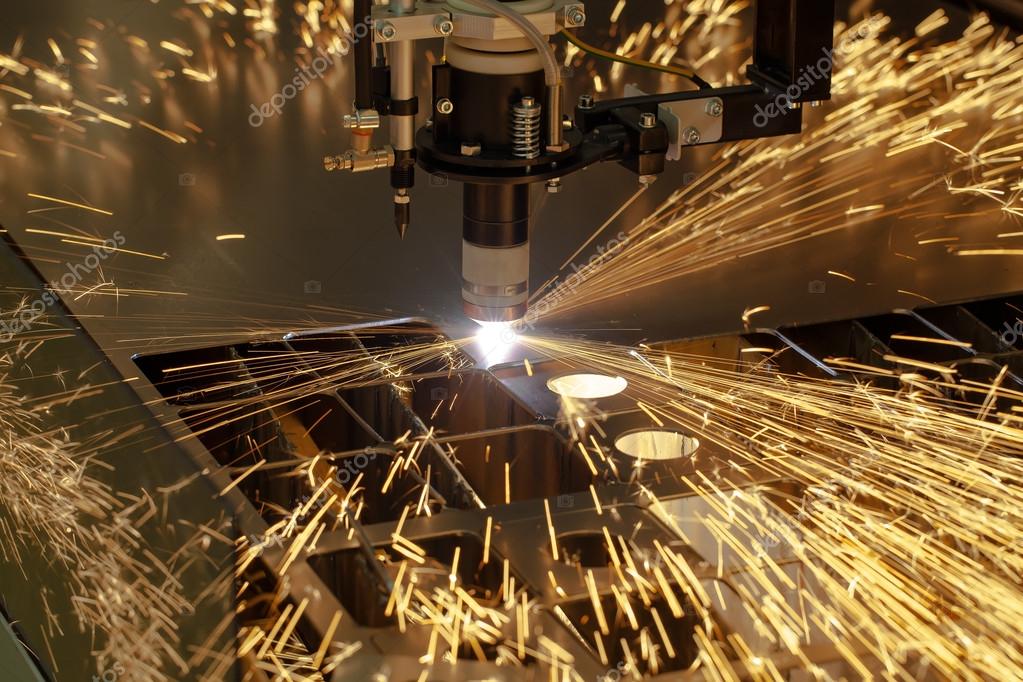
Plasma and oxy-fuel cutting are useful for thicker plate, irregular profiles, and work that cannot be produced with a straight mechanical cut. They introduce heat and create a kerf, while plate shearing cuts mechanically without a heat-affected zone.
The appropriate choice depends on thickness, shape, finish expectations, and whether the part will require additional edge preparation.
Plate Shearing Versus Saw Cutting
Saw cutting is commonly used for bars, tubes, beams, channels, and other long structural shapes. Plate shearing is more efficient for straight cuts through flat sheet and plate when the material falls within the machine’s capabilities.
Plate Shearing Versus Machining
Machining provides high control over dimensions, holes, surfaces, and detailed features, but it is generally more time-intensive than shearing. For many parts, shearing is used to create the initial blank before machining adds the final features.
The advantage of working with Suburban Welding and Steel is access to multiple processes under one roof. We can evaluate how the part will be used rather than forcing every project through one type of equipment.
Plate Shearing for Repair and Replacement Components
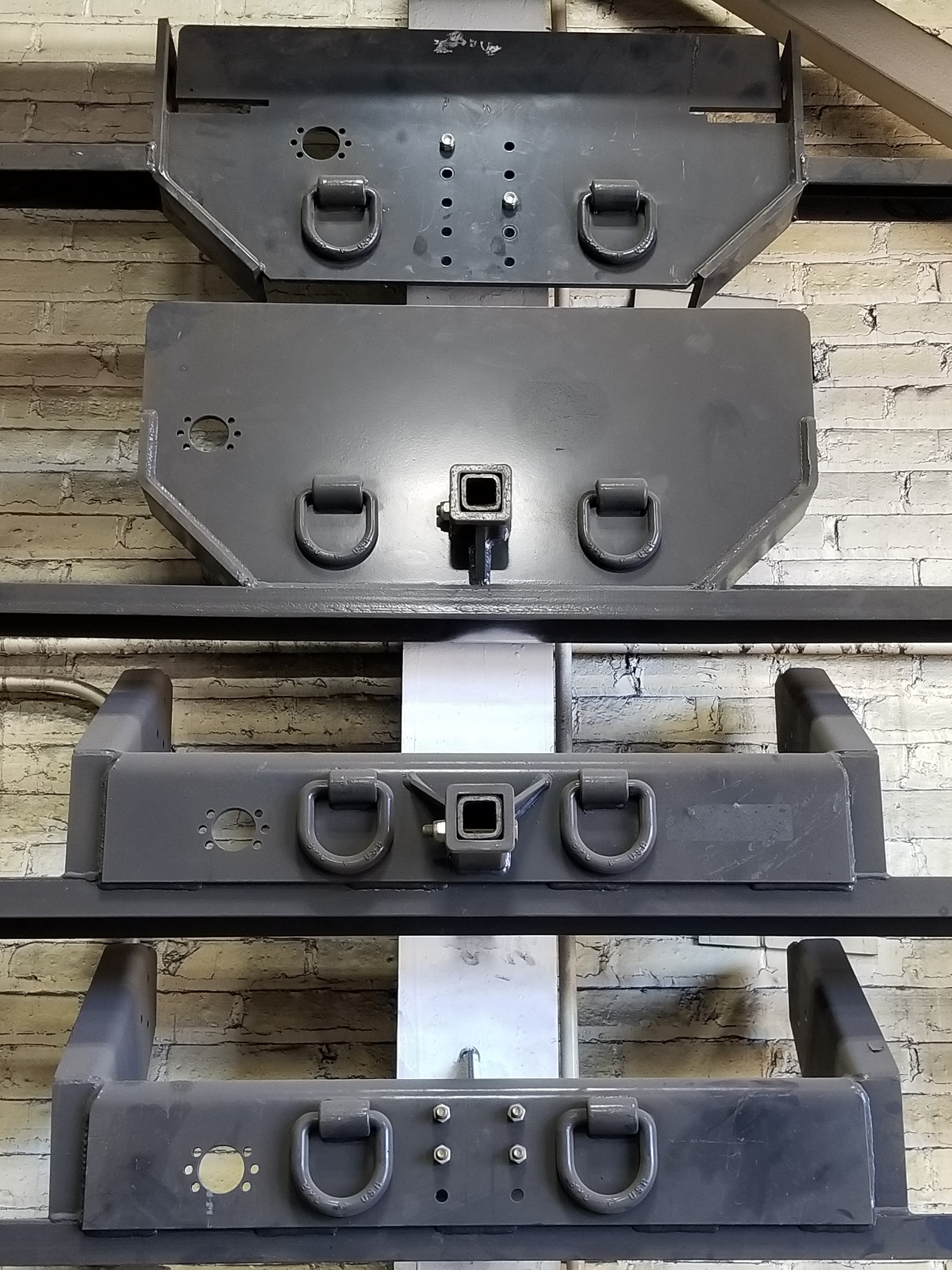
Plate shearing is also an important support service for equipment repair. When a dump truck body, trailer floor, machine guard, bucket, rack, panel, or heavy-equipment component is damaged, the failed material may need to be removed and replaced with new plate.
Our repair and fabrication team can evaluate the affected area, determine what material needs to be replaced, prepare the new plate, and complete the welding or reinforcement work when appropriate. If the equipment is difficult to transport, Suburban Welding and Steel also has portable welding capabilities for qualifying on-site repairs.
This provides a practical path for customers who need more than a loose piece of metal. We can help connect the material-processing step to the repair itself, reducing downtime and giving the customer one point of contact for the work.
Quality, Measurement, and Repeatability
Accurate shearing begins before the blade moves. Material type, thickness, condition, grain direction when relevant, blank size, and downstream requirements all affect the cut plan.
Our team reviews project information and verifies dimensions before production. For repeat work, consistent setup and measurement help maintain part-to-part uniformity. Finished components may also be checked before they move into forming, machining, welding, or customer pickup.
Quality expectations should be discussed during quoting. A plate used as a repair patch may have different requirements than a production blank that must fit into a repeated assembly. Sharing tolerance expectations, drawings, and end-use information allows us to recommend the right process and avoid unnecessary cost.

How to Request a Plate Shearing Quote
A useful quote starts with clear project information. Detailed drawings are helpful, but customers can also contact us with measurements, photos, sketches, or sample parts when formal files are not available.
When possible, provide:
- Material type and grade, if known
- Material thickness
- Required length and width
- Quantity of each part
- Drawings, CAD files, or a dimensioned sketch
- Tolerance and edge requirements
- Whether Suburban Welding and Steel will supply the material
- Any forming, drilling, machining, welding, or delivery needs
Our team will review the project, identify any missing information, and determine whether shearing or another cutting method is the best fit. For projects requiring multiple processes, the quote can account for the broader fabrication workflow rather than treating each step in isolation.
Frequently Asked Questions About Plate Shearing
Q: What is plate shearing used for?
Plate shearing is used to create straight-sided pieces from metal sheet or plate. Common products include blanks, strips, panels, repair plates, brackets, gussets, guards, and components that will later be formed or welded.
Q: What metals can Suburban Welding and Steel shear?
We work with commonly requested fabrication materials such as carbon steel, stainless steel, and aluminum. Suitability depends on the material grade, thickness, dimensions, and requested cut.
Q: What is the maximum plate thickness you can shear?
Maximum thickness varies by material and job specifications. Contact our team with the material type, thickness, size, and quantity so we can confirm whether the project fits our shearing capabilities.
Q: Is plate shearing less expensive than laser cutting?
It can be more economical for simple straight cuts and rectangular blanks because it does not require the detailed programming used for complex profiles. Laser cutting may be the better choice when the part includes curves, slots, internal holes, or intricate geometry.
Q: Does plate shearing create a heat-affected zone?
No. Plate shearing is a mechanical cutting process and does not use heat to separate the material.
Q: Can stainless steel and aluminum be sheared?
Yes, depending on the thickness, grade, size, and project requirements. Each material is reviewed to confirm that shearing is appropriate.
Q: Can you shear material for prototypes or small orders?
Yes. Plate shearing can support one-off components, replacement parts, prototypes, short runs, and recurring production quantities.
Q: Can I provide my own material?
Customer-supplied material may be accepted after it is reviewed for composition, condition, dimensions, and compatibility with the requested work.
Q: Do you offer welding after plate shearing?
Yes. Suburban Welding and Steel provides MIG, TIG, and stick welding, along with custom fabrication and assembly services. We can supply sheared blanks or use them to create a finished weldment.
Q: Can you help determine whether my part should be sheared or laser cut?
Yes. Send the drawing, dimensions, material information, and quantity. Our team can help identify the most practical cutting and fabrication approach.
Request Plate Shearing Services in Chicago
Whether you need a single repair plate, custom blanks for an upcoming project, or recurring production quantities, Suburban Welding and Steel can provide the material and processing support needed to keep your work moving.
Our combination of plate shearing, steel sales, forming, machining, welding, custom fabrication, and repair services allows us to support more of your project through one experienced team.
Call 847-678-1264 or fill out the form on this page to request a quote for plate shearing services in Chicago and the surrounding suburbs.
